
Our Solutions
One market. Three ways to create value.
InCycling connects companies holding surplus, manufacturers seeking materials from secondary sources, and the traders and brokers who move materials through global markets.
Recover value instead of writing it off.
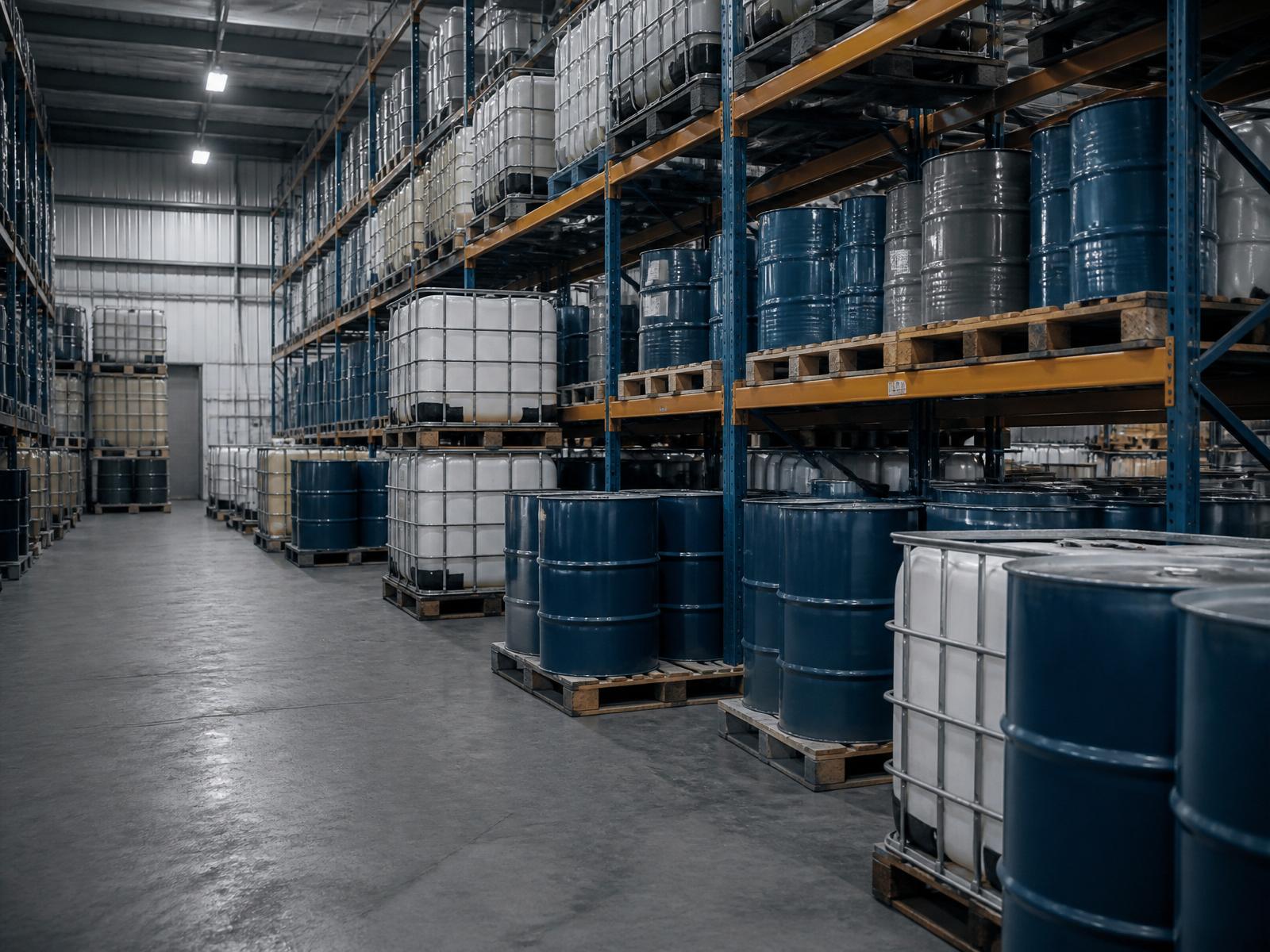
Surplus chemicals often arise through forecast changes, production planning, procurement buffers, portfolio adjustments, site consolidations or changing product requirements. While they remain in storage, they continue to bind capital, occupy valuable space, require quality resources and move closer to expiry.
When material is offered only to one or two known traders, limited competition and market visibility can reduce the value recovered. InCycling helps companies assess relevant surplus and bring it to a broader network of market participants.
3-4%
Indicative disposal-cost range
5-10%
Indicative storage-cost range per year
0-20%
Indicative value-recovery range
Indicative ranges, not universal or verified averages. Results vary by material, condition, documentation, location, demand and transaction circumstances.
From slow-moving inventory to sustainable revenue opportunities.
InCycling is building an ERP-integrated workflow designed to identify relevant surplus inside existing systems, structure the available material and compliance information, and support distribution to suitable buyers and trading partners.
Today, material assessment, opportunity preparation and buyer matching are supported manually while the platform and underlying data infrastructure are being developed.
Value Recovery
Recovery depends on the material, its condition, available documentation, demand and the commercial terms of the individual transaction.
Broad Market Access
Relevant material can be assessed against a wider range of potential buyers and trading relationships than a limited single-channel resale process.
Compliance-ready documentation
Transaction information can be organised to support documentation, internal traceability and customer reporting processes. Each party remains responsible for its own legal and regulatory compliance.
Ready to assess your surplus?
Source high-quality raw materials competitively and sustainably.
Surplus does not necessarily mean low quality. It may include unused material that the original holder no longer requires because of changes in forecasts, production plans, portfolios, procurement needs or site requirements.
InCycling helps buyers discover potentially relevant materials from secondary sources and brings together available specifications, quantities and documentation for an initial assessment.
This can create alternative sourcing opportunities, including smaller or more flexible lot sizes, without replacing the buyer's own technical, quality, regulatory and commercial checks.
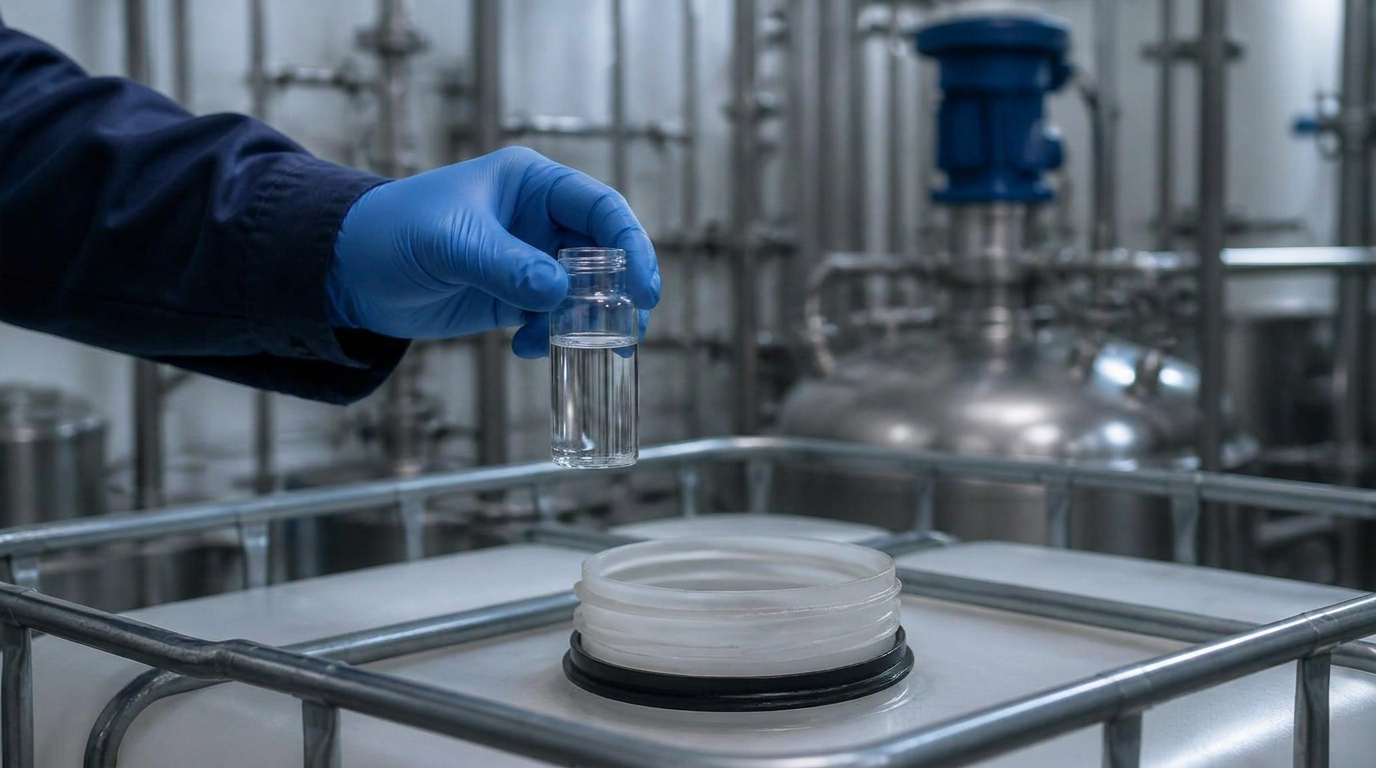
Access to Cost-Competitive, High-Quality Raw Materials
Identify potential supply outside conventional primary-market channels.
Unique Availability
Secondary-source materials may be available in quantities or lot structures that differ from standard primary-market supply.
Full Transparency
Review the material information, specifications and supporting documents available for the individual opportunity.
Material availability, suitability, pricing and documentation vary by opportunity. Buyers remain responsible for their own technical, quality, regulatory and commercial assessment before purchase.
Tell us what you are looking for.
Tell us what you are looking for and we will contact you when we identify a relevant opportunity. No random lists. True matchmaking based on your requirements.
Regularly looking for a specific product group?
Set Up a Standing Request →We can only solve it together.
InCycling is designed to strengthen networks and connect existing ecosystems to enable growth for all participants.
InCycling brings previously invisible surplus materials from companies with high-quality raw materials into the market and makes them visible and commercially accessible to relevant partners.
As the platform develops, partners are intended to receive structured access to relevant opportunities and contribute their market knowledge, buyer access and execution capabilities.

Access More Surplus
Gain visibility into relevant opportunities that may sit outside your existing direct relationships.
Create More Value for Your Customers
Use your existing buyer relationships, market understanding and trading expertise to connect material with demand.
Grow Together With Us
Potential service opportunities may arise across logistics, laboratory work, certification, compliance and transaction support.
Structured platform access, automated distribution and API-based workflows are planned capabilities and are not presented as fully operational today.
Ready to explore a partnership?
One Shared Process
From surplus to productive use.
The workflow connects the seller, buyer and partner perspectives while keeping the requirements of each individual transaction visible.
Tap a step to explore the process.
- STEP 01
Identify
Identify material that is no longer required and assess its condition, quantity, age, movement, expiry status and available documentation.
- STEP 02
Structure
Organise the specifications, quantities, commercial details, documentation and relevant regulatory information.
- STEP 03
Match
Identify likely buyers, relevant applications and suitable traders or partners who can connect the material with demand.
- STEP 04
Transact
Support the parties through the commercial, compliance, logistics and documentation requirements of the transaction.
Today, opportunity assessment and matching are performed manually while the structured data infrastructure and automated system are being built.